
Steel manufacturing basics begin with the selection and preparation of raw materials before any melting occurs. Iron ore, coal, and limestone are the traditional inputs for integrated steel mills operating blast furnaces to produce iron from ore. Electric arc furnace shops, which now account for a growing share of production, primarily use scrap steel as their raw material charge. The choice between these two production routes significantly influences the economics, energy consumption, and environmental footprint of the finished steel.
The melting and refining stage represents the heart of steel manufacturing basics, where chemistry is carefully controlled to achieve target specifications. In basic oxygen furnaces, pure oxygen is blown through molten iron to reduce carbon content and remove impurities through oxidation. Electric arc furnaces use electrical energy to melt scrap, with refining occurring through slag chemistry control and alloy additions. Secondary steelmaking operations like ladle metallurgy and vacuum degassing allow precise adjustments to temperature and composition before casting.
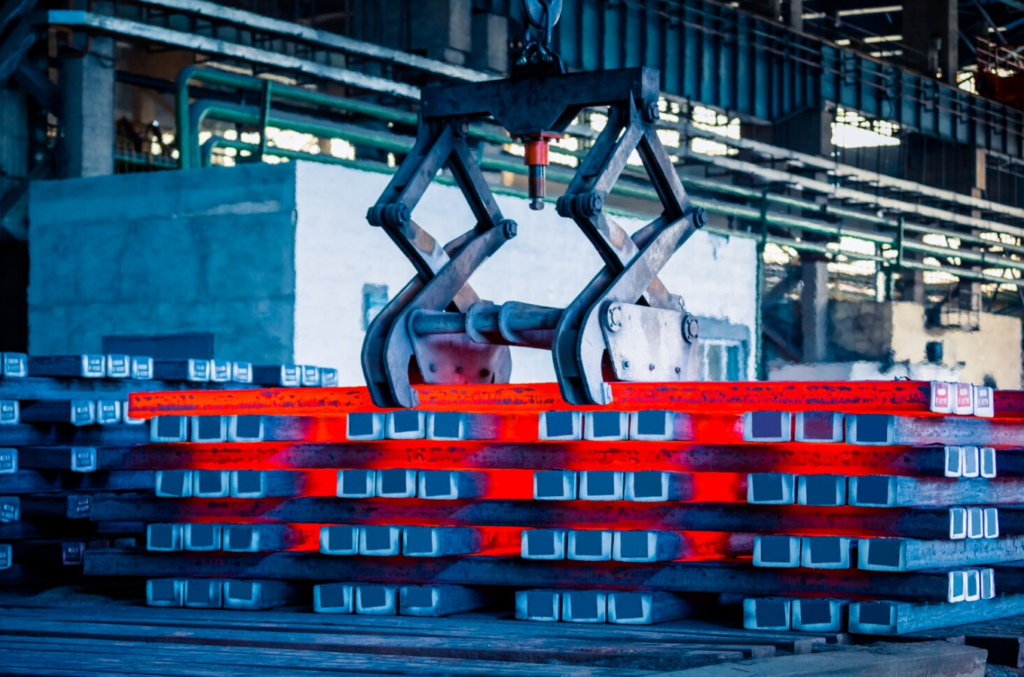
Steel processing methods for semi-finished products begin with continuous casting, one of the most significant technological advancements in steelmaking history. Molten steel is poured through a water-cooled mold and withdrawn as a solid strand, eliminating the traditional ingot casting process. This method produces slabs for flat products, blooms for structural shapes, and billets for long products with superior internal quality. The continuous caster operates around the clock, with a single machine capable of producing over one million tons annually.
Hot rolling represents a critical stage among steel processing methods, transforming semi-finished cast shapes into finished products with specific dimensions and properties. Reheating furnaces bring the steel to rolling temperature, typically above 1700°F, before it passes through successive stands that reduce thickness and shape the section. The rolling process refines the cast grain structure, closing internal porosity and improving mechanical properties through controlled deformation. Modern hot strip mills can produce coiled sheet at speeds exceeding 70 miles per hour with thickness tolerances measured in thousandths of an inch.
Cold rolling and finishing operations represent the final stages of steel processing methods for many products. Cold reducing sheet steel improves surface finish, thickness tolerance, and mechanical properties through strain hardening. Annealing furnaces restore ductility after cold rolling, allowing further forming by customers. Coating lines apply metallic or organic coatings for corrosion protection, while slitting and shearing operations cut coils to customer-specified widths. These finishing steps add significant value while tailoring the product to specific engineering steel applications.